










Spain: the exclusive real estate market
Spain holds a consolidated position among the preferred destinations for the international high-net-worth buyer. The combination of a stable European legal framework, world-class service infrastructure, and an unparalleled geographic diversity in the western Mediterranean explains the sustained demand recorded in the exclusive residential segment along its coastlines and major cities.
The Spanish market attracts differentiated buyer profiles. On one hand, the acquisition of second homes by European buyers, primarily from Northern Europe and the United Kingdom, who prioritise quality of life with direct connections to their home countries. On the other, Latin American and Middle Eastern investors who see Spain as a gateway to Europe, with exposure to a mature and liquid real estate market.
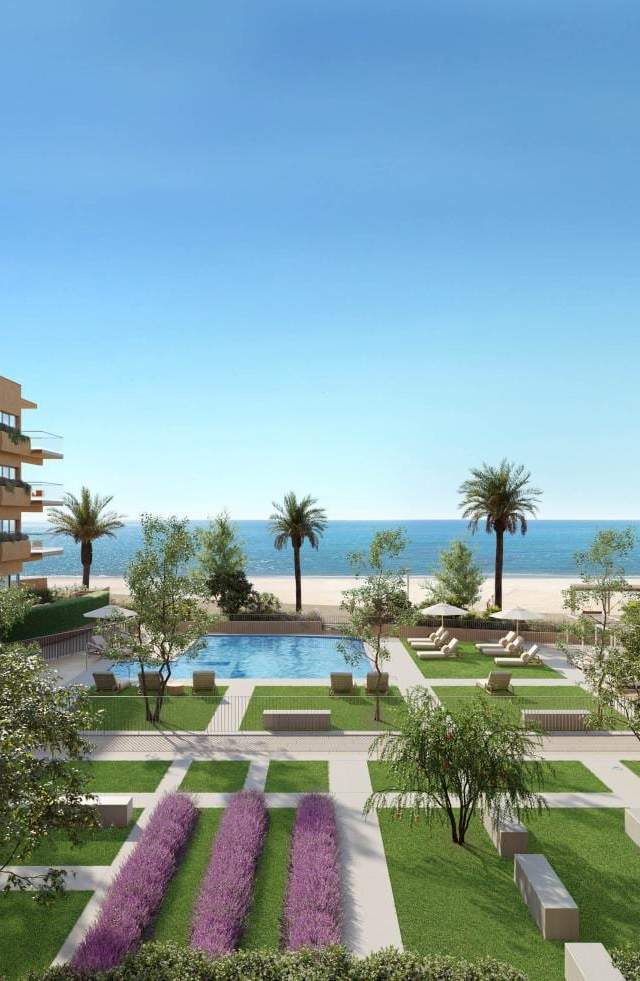
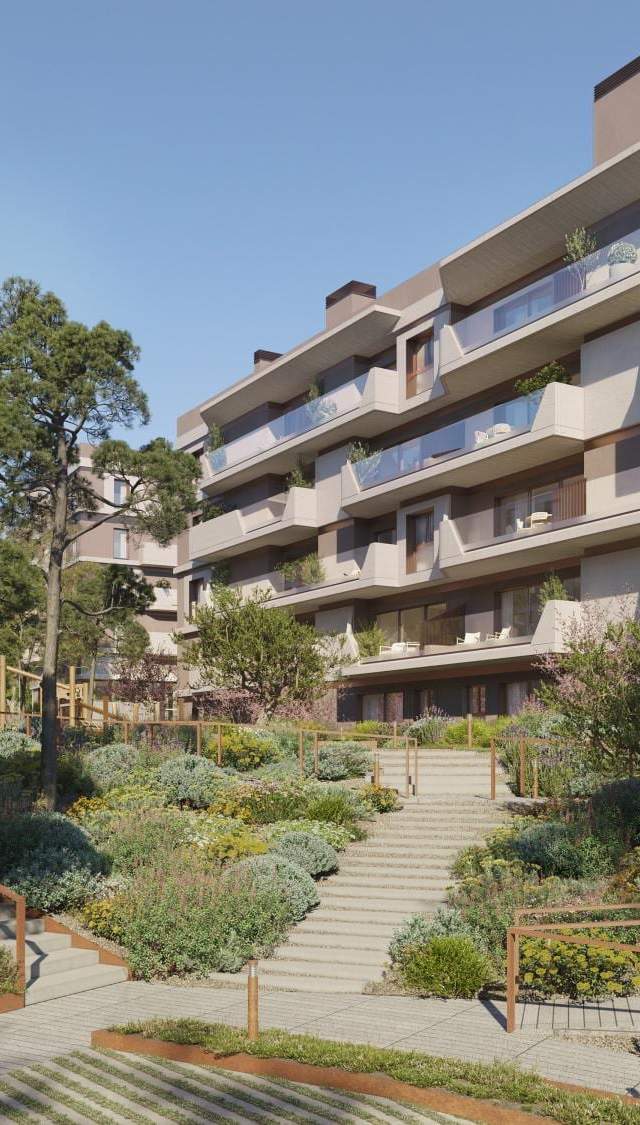
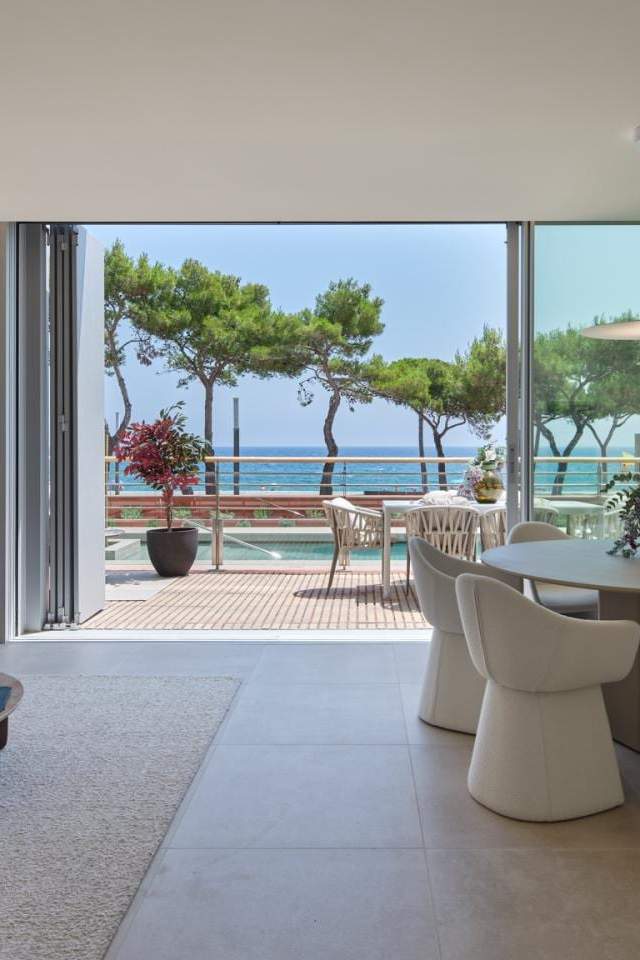
Across all of Spain's exclusive markets, the supply of truly exclusive product — oceanfront villas, beachfront penthouses, new builds with premium specifications — presents a structural scarcity that sustains long-term demand.
Spain's prime coastal areas
Costa del Sol
The Costa del Sol concentrates the highest volume of premium transactions on the Spanish coastline. Marbella, Benahavís and Estepona form the epicentre, combining high-end new development projects, established golf complexes, and a service infrastructure — marina, gastronomy, international education — that matches the level of residential supply. Demand comes primarily from buyers from Northern Europe, the United Kingdom and the Middle East.
Costa Blanca
The Costa Blanca offers a broad spectrum within the exclusive segment. The north — Jávea, Moraira, Altea — attracts European buyers who value privacy and natural surroundings over service concentration. The south presents greater product diversity and accessibility, with beachfront properties whose entry price is comparatively lower than the Costa del Sol, creating opportunities for investors with a medium-term outlook.
Catalonia
Barcelona maintains active demand in the highest segments of the urban market, driven by international buyers attracted by its economic and cultural dimension. On the coastline, the Costa Brava — with Begur, Cadaqués and Palafrugell as reference points — offers a segment with restricted supply: singular properties with a scarcity of new product, factors that the long-term buyer explicitly values.
Balearic Islands
The archipelago operates in a category of its own. Environmental protection regulations limit the land available for development, generating sustained pressure on existing stock. Ibiza concentrates the most international and highest-purchasing-power profile in the Mediterranean; Mallorca presents a more diversified market, from family buyers to institutional investors; Menorca stands out for its discretion and the preservation of an exceptional natural environment.
Costa de la Luz
The Costa de la Luz, with Sotogrande as the historic benchmark in the province of Cádiz, offers a segment characterised by lower development pressure than the Mediterranean coastline. Estates with large plots, singular properties, and polo, golf and nautical developments maintain their appeal for buyers who prioritise exclusivity and privacy over service concentration.
Legal framework for international buyers
The acquisition of property in Spain by foreign nationals is not subject to nationality restrictions in the free market. The process requires obtaining a Foreigner's Identification Number (NIE) beforehand, which can be arranged at the Spanish consulate in your country of residence or directly on Spanish territory.
The taxation of the purchase varies depending on the type of property: new builds are subject to VAT (at 10% for residential use) plus Stamp Duty; second-hand properties are subject to Transfer Tax, the rate of which varies by autonomous community.
Important: the Golden Visa programme for property investment was repealed by Organic Law 1/2025, in force since April 2025. For non-EU buyers who sought residency through this route, alternatives exist — Investor Visa for business projects, Digital Nomad Visa, non-lucrative residence permit — that a specialist legal adviser can evaluate on a case-by-case basis. A detailed analysis is available in our article on the Spain Golden Visa 2026.
The information in this section is general and informational in nature. It does not constitute tax or legal advice. For specific transactions, please consult a lawyer specialised in Spanish real estate law.
Why Spain?
Beyond market conditions, Spain offers structural factors that explain the loyalty of international buyers to the destination:
- Connectivity.
- The airports of Madrid, Barcelona, Málaga, Palma de Mallorca and Alicante operate direct routes to the main European and transatlantic destinations, with frequencies that allow managing an international agenda without mobility constraints.
- Legal security.
- As a member state of the European Union, Spain offers a property rights protection framework aligned with continental market standards and a well-established land registry system.
- Service infrastructure.
- The major exclusive areas boast a network of international schools, private clinics, marinas, reference golf courses and high-level restaurants that allow an uncompromising standard of living.
- Established international community.
- Spain's major exclusive destinations have had established communities of foreign residents for decades, significantly reducing the adaptation curve for new international buyers.