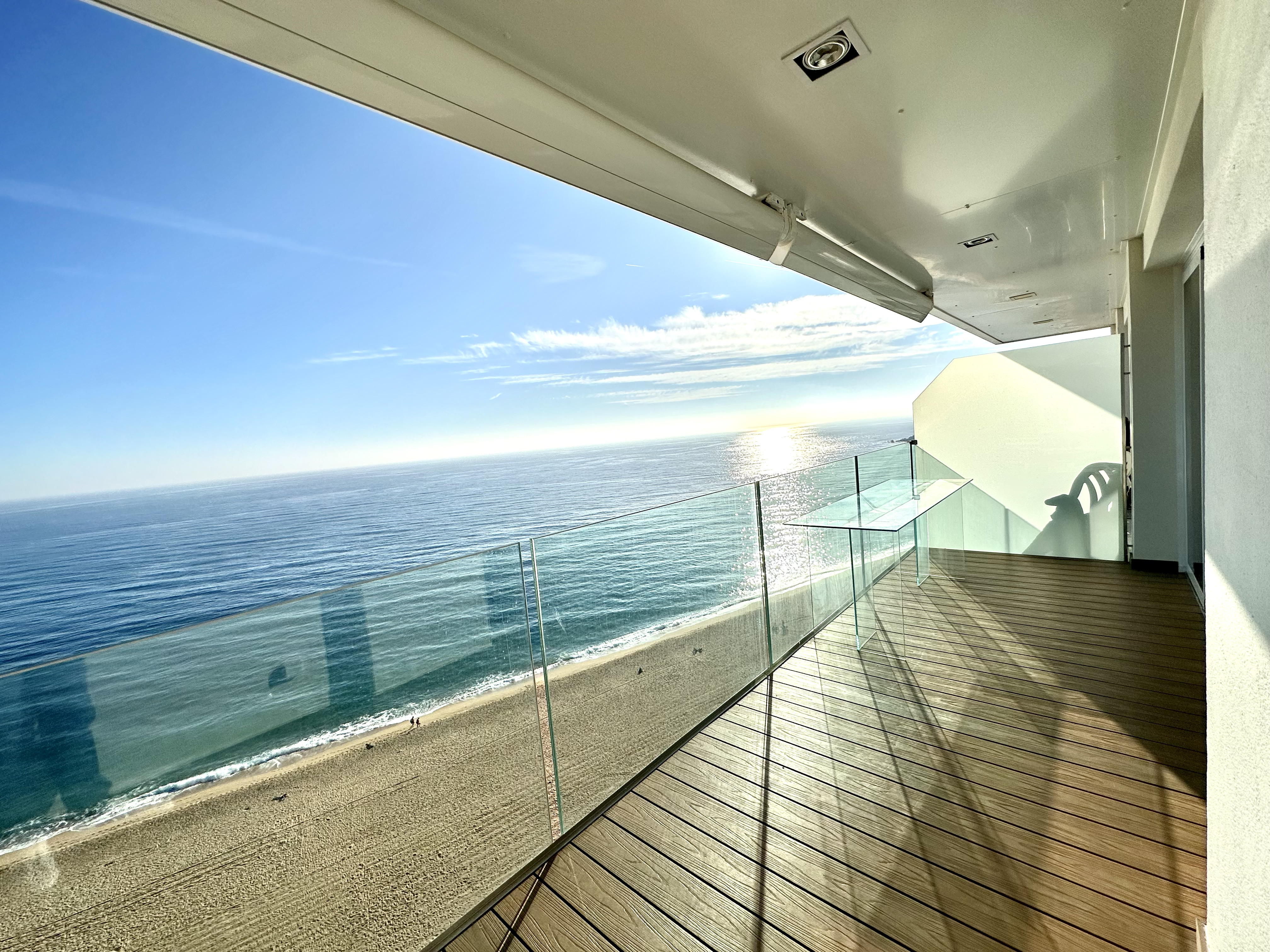

Summary: Costa del Sol and Costa Blanca are Spain's two most active coastal markets for international buyers. The Costa del Sol commands higher asset values, a more mature luxury segment and stronger year-round rental demand. The Costa Blanca offers lower entry prices, greater market diversity and particularly strong demand from Northern European buyers seeking primary or secondary residences.
Market Overview in 2026
Both coasts have delivered sustained price growth over the past three years. The Costa del Sol recorded average price growth of 8.4 % year-on-year in 2024 across the residential segment. The Costa Blanca grew at 6.1 % in the same period, with northern municipalities such as Javea and Moraira exceeding 9 %.
The most significant difference lies in average transaction size and buyer profile. The Costa del Sol attracts buyers with a median investment above 550,000 euros. On the Costa Blanca, the median sits around 280,000 euros, with a broader range spanning from affordable seaside apartments to ultra-luxury sea-view villas.
Price Comparison by Location
- Marbella (Costa del Sol): 5,200–9,000 €/m² in prime areas such as the Golden Mile and Sierra Blanca.
- Estepona (Costa del Sol): 3,200–5,500 €/m².
- Alicante city (Costa Blanca): 2,000–3,500 €/m².
- Javea / Altea (Northern Costa Blanca): 3,500–5,500 €/m² for sea-view villas.
- Torrevieja / Orihuela Costa (Southern Costa Blanca): 1,500–2,500 €/m².
Rental Yield Comparison
Holiday rental yields on both coasts are attractive, though with meaningful differences:
- Costa del Sol: 4.5–7 % gross annual yield on well-located properties. The high and shoulder seasons extend across 9–10 months of the year thanks to the climate.
- Costa Blanca: 4–6.5 % gross annual yield. The peak season is more concentrated in July and August, with a shorter shoulder season.
A two-bedroom apartment on the Costa del Sol in a prime beachfront location can generate between 25,000 and 45,000 euros annually in gross holiday rental income. The equivalent on the Costa Blanca typically generates 12,000–20,000 euros.
International Buyer Profiles
The dominant buyer nationalities differ significantly between the two coasts:
- Costa del Sol: Scandinavians, Germans, British (declining post-Brexit), Latin Americans and US buyers of Hispanic origin. The luxury segment attracts buyers from the Middle East and Russia.
- Costa Blanca: British (particularly around Torrevieja), Germans, Belgians, Dutch and Scandinavians. The Northern Costa Blanca attracts a more affluent European buyer.
Infrastructure and Quality of Life
Both coasts offer international airports with direct connections to major European and American cities. Malaga Airport handles over 23 million passengers annually. Alicante-Elche Airport handles over 16 million. The Costa del Sol has a superior concentration of luxury amenities: over 70 golf courses, world-class marinas, international schools and high-end medical facilities.
Which Coast for Which Investor?
- Capital appreciation focus: Costa del Sol, particularly Marbella and Benahavis, where land scarcity and sustained demand support strong long-term price growth.
- Rental yield with lower entry point: Northern Costa Blanca (Javea, Altea) or Estepona on the Costa del Sol.
- Holiday home with excellent quality of life: both coasts are exceptional. The choice ultimately comes down to personal lifestyle preferences.
Frequently Asked Questions
Which coast has better long-term price growth prospects?
Marbella and the New Golden Mile (between Marbella and Estepona) consistently rank highest for long-term capital appreciation, driven by constrained land supply and sustained demand from high-net-worth international buyers.
Is it easier to obtain a holiday rental licence on the Costa Blanca or Costa del Sol?
The Valencian Community (Costa Blanca) has a relatively straightforward tourist property registration process. In Andalusia (Costa del Sol), the regional register exists but some municipalities apply additional local regulations.
Which coast has better international school options?
The Costa del Sol has a significantly wider choice of international schools, with well-established British, American, German and Scandinavian curricula available within the Marbella-Estepona-Sotogrande corridor.
Are there tax differences between buying in Andalusia versus Valencia?
Yes. Transfer Tax (ITP) on resale properties in Andalusia is 7 %. In the Valencian Community it is 10 %. For new-build properties, VAT is 10 % in both regions, though stamp duty varies slightly.
Our specialists cover both coasts. Whether you are drawn to the prestige of Marbella or the value proposition of the Costa Blanca, we can match you with the right property. Browse available properties.